
laminated glass storm windows
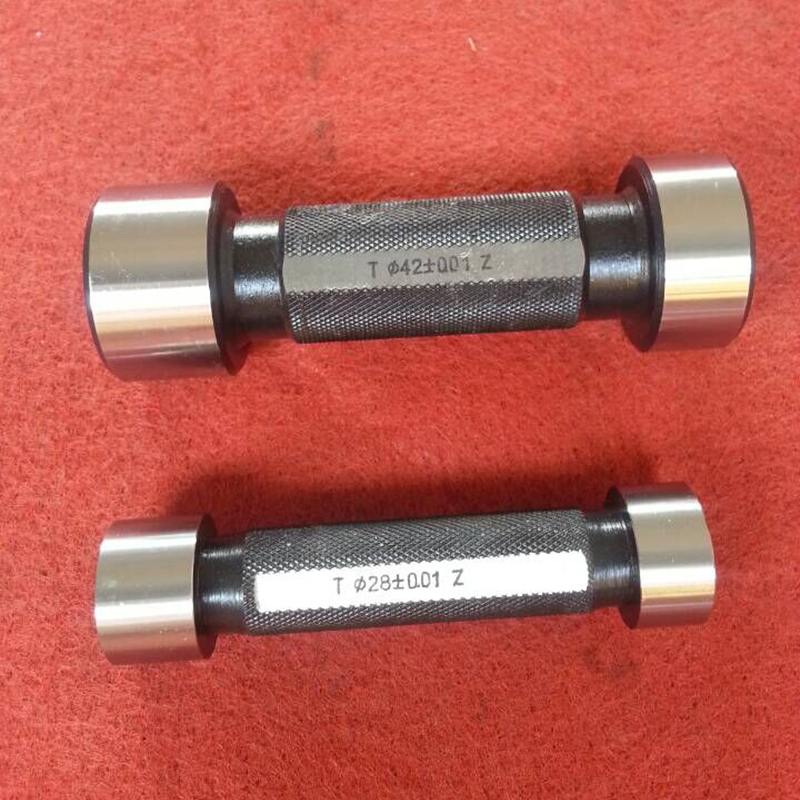
The aerospace industry demands unparalleled precision in component manufacturing and inspection. Threaded fasteners, critical to structural integrity, require rigorous verification to ensure compliance with stringent safety and performance standards. Thread gauge types play a pivotal role in this process, enabling engineers to validate thread dimensions, pitch, and form. This article explores the key thread gauge types used in aerospace inspections, focusing on thread plug gauges , screw thread gauges , and standard thread gauges , while addressing common questions about their application. Understanding Thread Gauge Types for Precision Aerospace Inspections Thread gauge types are specialized tools designed to measure the geometric accuracy of threaded components. In aerospace, where tolerances are measured in microns, selecting the right gauge type is non-negotiable. The primary categories include thread plug gauges , screw thread gauges , and standard thread gauges , each serving distinct purposes. Aerospace components often use threads subjected to extreme temperatures, vibrations, and loads. For example, engine mounts, landing gear, and fuselage assemblies rely on threads that must withstand cyclic stress without failure. Thread gauge types ensure these threads conform to specifications outlined by standards such as ASME B1.1, ISO 1502, and NASM 1312. Go/no-go gauges, a subset of thread plug gauges , are particularly vital for rapid pass/fail assessments in high-volume production environments. Manufacturers prioritize gauges made from hardened steel or carbide for durability, as repeated use in aerospace inspections can wear down softer materials. Additionally, temperature-stable coatings are applied to minimize thermal expansion effects during measurements. The Critical Role of Thread Plug Gauges in Aerospace Quality Control Thread plug gauges are cylindrical tools used to inspect internal threads, such as those in nuts or threaded holes. Their design includes a “go” end, which must smoothly enter the thread, and a “no-go” end, which should not advance beyond a specified depth. This binary verification ensures threads meet both dimensional and functional requirements. In aerospace applications, thread plug gauges are tailored to specific thread standards. For instance, Unified National Fine (UNF) threads, common in aircraft assemblies, require gauges with precise pitch diameters. Customized thread plug gauges may also feature extended handles or ergonomic grips to facilitate inspections in hard-to-reach areas, such as turbine blade assemblies. High-volume aerospace manufacturers often use automated systems integrated with thread plug gauges to streamline inspections. These systems reduce human error and increase throughput while maintaining compliance with regulatory frameworks like FAA Part 21 and EASA CS-25. Screw Thread Gauges: Ensuring Compatibility and Performance Screw thread gauges are designed to evaluate external threads on bolts, studs, and screws. Unlike thread plug gauges , these tools typically resemble rings or calipers that encircle the threaded component. The “go” ring must spin freely along the thread’s length, while the “no-go” ring should resist movement after a predetermined number of turns. Aerospace screw thread gauges must account for unique material behaviors. Titanium alloys, widely used for their strength-to-weight ratio, exhibit slight elasticity under load. Gauges used for titanium fasteners are calibrated to accommodate this property, ensuring threads remain within tolerance even under operational stress. Additionally, screw thread gauges for aerospace applications often incorporate anti-seize coatings to prevent galling during inspections. This is critical when dealing with materials like stainless steel or Inconel, which are prone to adhesion under friction. Standard Thread Gauges: Aligning with Global Aerospace Specifications Standard thread gauges refer to tools calibrated to internationally recognized thread profiles, such as Metric, Unified, or Whitworth. In aerospace, harmonizing inspections with global standards is essential, as components may be manufactured in one country and assembled in another. For example, Airbus and Boeing suppliers must adhere to both ISO and ASME standards. Standard thread gauges certified by NIST (National Institute of Standards and Technology) or equivalent bodies ensure cross-compatibility. These gauges are often accompanied by traceable calibration certificates, a requirement for audits and regulatory submissions. Aerospace manufacturers also leverage standard thread gauges for reverse engineering legacy components. When replacing obsolete fasteners in older aircraft, engineers use these gauges to replicate thread dimensions accurately, ensuring retrofitted parts maintain original performance characteristics. FAQs About Thread Gauge Types in Aerospace What are the primary applications of thread plug gauges in aerospace? Thread plug gauges are used to inspect internal threads in components like engine mounts, hydraulic fittings, and avionics housings. They verify thread acceptance per design specifications, ensuring proper fastener engagement. How do screw thread gauges differ from thread plug gauges? Screw thread gauges evaluate external threads on bolts or screws, while thread plug gauges assess internal threads. The former uses ring or caliper-style tools, whereas the latter employs cylindrical go/no-go ends. Why are standard thread gauges critical for international aerospace projects? Standard thread gauges ensure compliance with global thread standards (e.g., ISO, ASME), enabling seamless collaboration between international suppliers and manufacturers. They eliminate discrepancies in thread compatibility. Can thread gauge types be customized for unique aerospace components? Yes. Manufacturers offer custom thread gauge types tailored to non-standard thread profiles or specialized materials, such as composites or high-temperature alloys. How often should thread plug gauges be calibrated in aerospace settings? Calibration intervals depend on usage frequency and material hardness. For high-volume aerospace production, thread plug gauges are typically recalibrated every 500–1,000 cycles or quarterly, whichever comes first. Selecting the appropriate thread gauge types is a cornerstone of aerospace quality assurance. Thread plug gauges , screw thread gauges , and standard thread gauges each address specific inspection needs, ensuring threads meet exacting standards for safety and performance. By adhering to global specifications and leveraging advanced materials, aerospace manufacturers can maintain the reliability required for critical applications. As the industry evolves, innovations in gauge design and automation will further enhance precision and efficiency in component inspections.
about
laminated glass storm windows
Whether you're a professional craftsman, a DIY enthusiast, or someone who needs to ensure precision in their work, a straight edge ruler is an indispensable tool. From cutting and measuring to leveling and aligning, these versatile instruments are designed to provide the highest accuracy. This article explores the essential features of various straight edge rulers , including metal straightedge models, and their applications in different fields. We will also highlight the importance of using the right metal straight edge ruler for your specific tasks. Straight Edge Rulers for Cutting: Achieving Perfect Precision A straight edge ruler for cutting is crucial for ensuring clean, accurate cuts every time. These rulers are designed to guide cutting tools, such as knives, utility blades, and saws, ensuring straight and even cuts, especially when dealing with materials like paper, wood, metal, or plastic. A reliable straight edge ruler allows you to maintain the integrity of your project by reducing the risk of misalignment, which can lead to mistakes and waste. The straight edge ruler for cutting is made of durable materials that resist wear and tear, maintaining a sharp edge over time. It often comes with non-slip backing or grips that prevent it from moving during cutting, ensuring that your cuts stay precise. This feature is especially useful for professionals in industries such as carpentry, construction, and graphic design. With the right straight edge ruler for cutting , your work becomes not only easier but also more efficient and professional. Whether you are cutting intricate designs or making large, straight cuts, a straight edge ruler provides the accuracy and support needed to achieve the best results. Investing in a quality straight edge ruler for cutting ensures that your tools will last longer, your work will be neater, and your time will be spent on more productive tasks. Metal Straight Edge Ruler: The Durable Option for Long-Term Use When durability and precision are essential, a metal straight edge ruler is often the best choice. Unlike plastic or wooden rulers, metal straight edge rulers are designed to withstand harsh conditions and heavy usage, making them the go-to tool for professionals who rely on accuracy. A metal straight edge ruler is typically made from high-quality stainless steel or aluminum, which provides a rigid structure that resists bending or warping. These metal straightedge rulers are perfect for applications requiring long-lasting, robust measuring tools. They are commonly used in industries like engineering, construction, and machining, where precision is crucial. Whether you're marking measurements, leveling machinery, or inspecting flat surfaces, a metal straight edge ruler guarantees a consistent, straight edge that holds up over time. The sturdy construction ensures that the ruler will not distort, providing long-term reliability for all your projects. One of the biggest advantages of a metal straight edge ruler is its ability to provide accurate results even in challenging environments. Its high resistance to wear and corrosion makes it ideal for use in workshops, factories, and laboratories where tools are subject to frequent handling and exposure to different elements. The Versatility of Metal Straightedge Rulers The metal straightedge is not just a ruler; it's a versatile tool that serves multiple functions. In addition to measuring and marking, metal straightedge rulers are commonly used for spotting bearing surfaces and checking surface flatness, which are critical tasks in many mechanical and engineering applications. These tasks are essential for the alignment of machinery, which ensures that mechanical components work together smoothly, reducing the chances of errors and wear over time. For instance, a metal straightedge is invaluable when leveling large pieces of equipment or during hand scraping operations where precision is crucial. It is used to ensure that the surfaces of machine tables, lathe beds, and machine ways are flat and free from imperfections. This use of metal straightedge rulers in machinery setups is crucial for maintaining the accuracy of heavy machinery, allowing for consistent performance even under demanding conditions. The versatility of a metal straightedge extends to industries such as automotive, aerospace, and construction, where precise alignment and measurements are necessary. It serves as a multipurpose tool, whether you're performing a basic measuring task or conducting detailed inspections. Whether used for spotting bearing surfaces , leveling, or alignment, metal straightedge rulers ensure that every task is performed with the highest precision. Straight Edge Ruler Price: Investing in Quality for Long-Term Savings When considering a straight edge ruler , it’s essential to look at the price as an indicator of quality and long-term value. While cheaper models may seem appealing in the short term, they often fail to deliver the accuracy and durability that professionals require. Straight edge ruler prices can vary depending on material, size, and features, but investing in a high-quality metal straight edge ruler will save you money in the long run by reducing the need for replacements and repairs. The price of a straight edge ruler can range from affordable options for basic tasks to higher-end models designed for industrial use. Metal straightedge rulers , for example, may cost more upfront, but their durability, precision, and ability to withstand harsh conditions make them a better investment for anyone who uses their tools regularly. In contrast, plastic or low-grade metal rulers may wear out quickly, costing you more in replacements over time. By choosing the right straight edge ruler for your needs and budget, you ensure that you’re getting the best value for your money. For those looking for consistent performance, high precision, and longevity, investing in a metal straight edge ruler or a straight edge ruler for cutting can help you avoid costly mistakes and downtime. FAQs About Straight Edge Rulers What is a straight edge ruler used for? A straight edge ruler is used to create precise, straight lines and measure lengths accurately. It is commonly used in a variety of fields, including carpentry, graphic design, engineering, and machining. What is the difference between a metal straightedge and a plastic ruler? A metal straightedge is more durable and provides a higher level of accuracy compared to plastic rulers. It is less likely to bend or warp over time, making it ideal for heavy-duty applications where precision is critical. Why should I choose a metal straight edge ruler over a plastic one? Metal straight edge rulers are more durable, long-lasting, and accurate than plastic ones. They can withstand harsher conditions, such as exposure to heat, moisture, and heavy usage, making them ideal for industrial and professional tasks. Can a straight edge ruler be used for cutting? Yes, straight edge rulers for cutting are specifically designed to help guide cutting tools along a straight path. These rulers prevent misalignments during cutting, ensuring clean, accurate cuts. What is the price range for a high-quality metal straight edge ruler? The price of a metal straight edge ruler varies depending on its material, size, and precision features. Basic models may cost as little as $10, while high-quality industrial models can range from $50 to $200 or more. A straight edge ruler is an essential tool for anyone who values precision and accuracy in their work. Whether you need a metal straight edge ruler for heavy-duty tasks, a straight edge ruler for cutting , or a versatile metal straightedge for marking and alignment, these tools provide the precision and durability that professionals rely on. Don’t compromise on quality – investing in a metal straight edge ruler will pay off in the long run by ensuring accurate results and reducing the need for replacements. Ready to upgrade your tools? Visit our website today and explore our wide selection of metal straight edge rulers , straight edge rulers for cutting , and more. Find the perfect tool to meet your needs and take your projects to the next level!
-

High quality industrial productsagement

High quality industrial products
View Details -

Meet the diverse needs of customers

Meet the diverse needs of customers
View Details -

Strict quality control

Strict quality control
View Details -

Top raw materials

Top raw materials
View Details -

Trusted supplier

Trusted supplier
View Details
Our application


news and information
Y-type filter met afvoerkraan voor efficiënte vloeistofbehandeling
Y-Type Filter met Afsluitklep Een Efficiënte Oplossing voor Uw Pijpleidingsysteem In de wereld van i
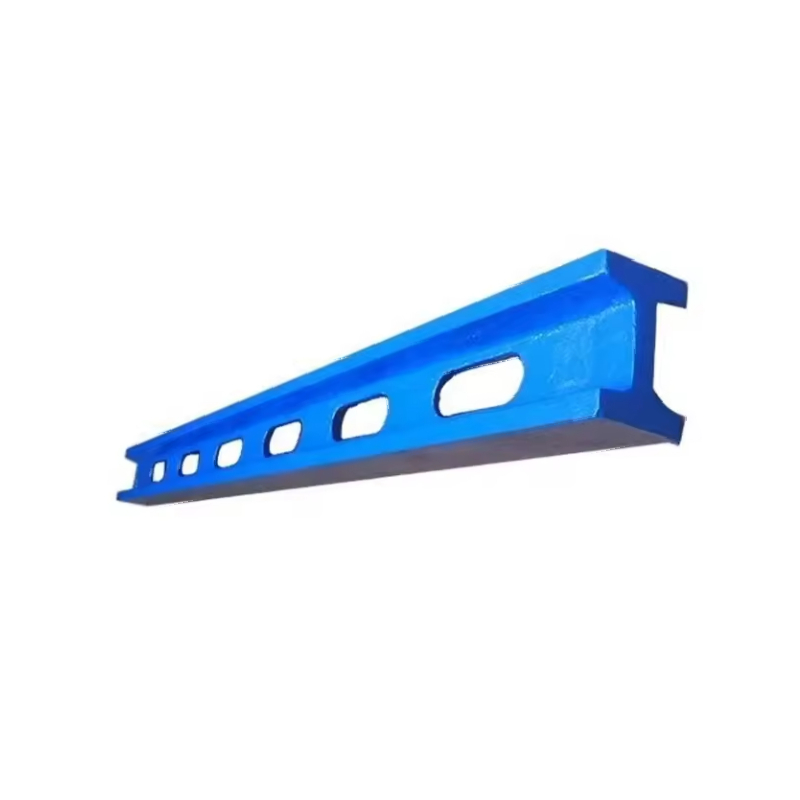
Verkauf von parallelen Linealen für präzises Messen und Zeichnen
Parallel Lineale Präzision und Vielseitigkeit für jeden Bedarf Wenn es um präzises Zeichnen, Skalier
Van cầu 2 inch chất lượng cao cho hệ thống ống nước hiệu quả
2 inch globe valve .
 English